Georgetown sits on a mix of older plumbing and newer builds, and our crew has pulled water out of both, which is why the truck that shows up already has the right extraction head for your situation.
Call +1-844-578-1604
Crews staged inside Georgetown limits
Written estimate, no hidden line items
Licensed & insured, verifiable on request

Ask a Georgetown homeowner who's dealt with a burst pipe at 3am and, if they called us, they'll tell you the same thing: someone answered, and someone showed up. That's the whole model.
Local pricing means local pricing — our Georgetown estimates reflect actual regional labor and material costs, not a national average that leaves you either overpaying or underinsured.
We also keep documentation formatted the way insurance adjusters actually want to see it, since most of our jobs end up crossing an adjuster's desk at some point.
Water damage rarely starts as a dramatic flood — it usually starts small, and these are the signs worth acting on before the damage spreads further.
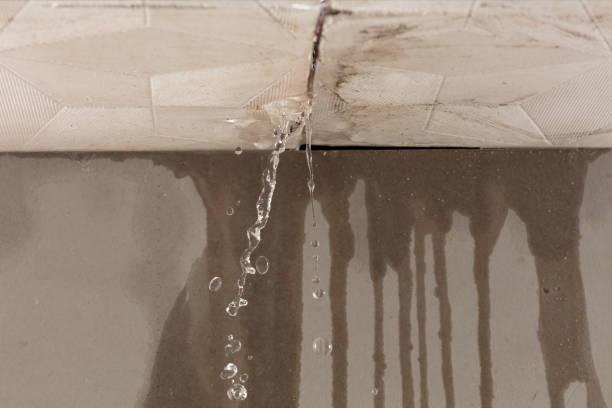
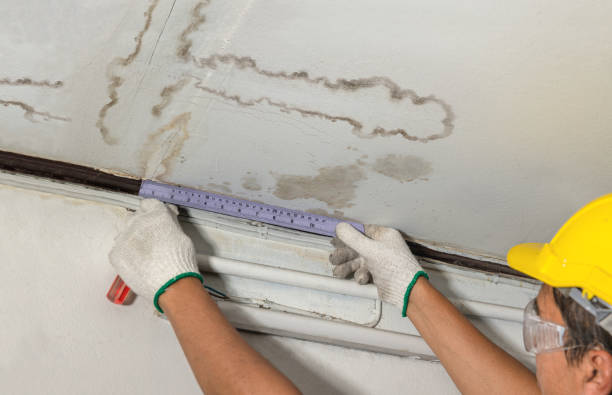
Repainting over a recurring ceiling stain treats the symptom, not the leak still feeding it from above or behind the surface. The stain returning is the actual diagnosis.
A musty note that wasn't there a season ago usually means microbial growth has started somewhere behind a wall or under flooring, well before you can see anything.
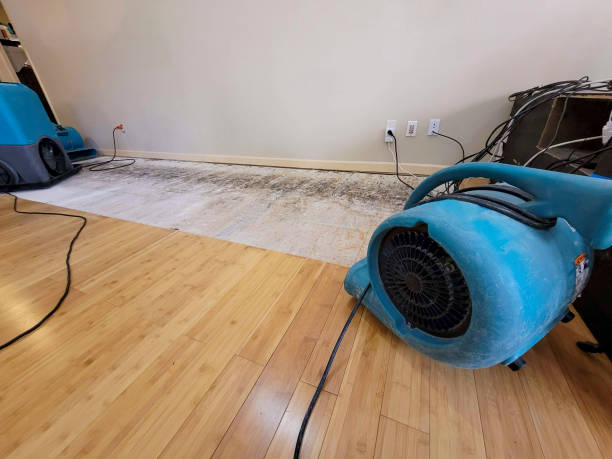
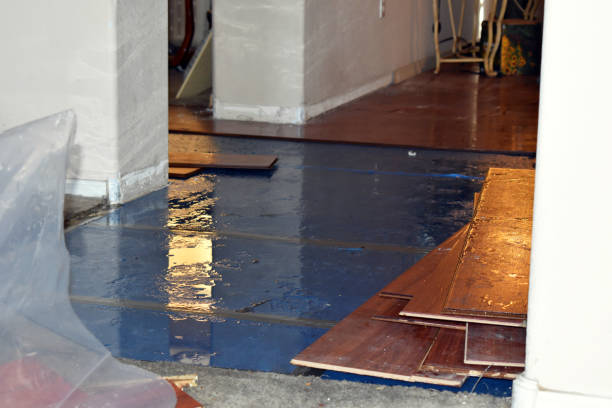
Hardwood cupping at the edges, laminate lifting at the seams, or carpet that stays spongy days after you last noticed water — all three point to moisture sitting against the subfloor.
Catching a hidden leak through the water bill is far cheaper than waiting for it to surface as a flooded room.
Bubbling paint near a baseboard or exterior wall usually means moisture is pushing through from behind rather than a simple application defect.
Mold that returns after a bleach cleaning is a sign the moisture source behind it was never actually addressed.
If more than one of these sounds familiar, it's worth a professional moisture check sooner rather than later.
Treating Water Damage Repair as a single continuous job, rather than a series of handoffs, is what keeps timelines shorter and documentation consistent.
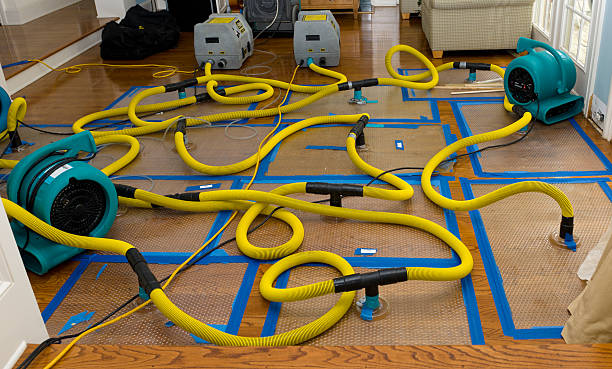
The equipment on our trucks scales up or down to the job, but the process — assess, extract, dry, verify, repair — doesn't change.
Moisture meters classify the water as Category 1, 2, or 3 on arrival, which determines whether it's a straightforward extraction or a full contamination protocol.
Daily drying logs track humidity and surface moisture at every checkpoint, giving you documented proof of progress instead of a verbal 'it's getting there.'
Our sewage cleanup protocol follows IICRC S500 guidelines start to finish, including isolation of the affected zone and disposal documentation.
If mold has already started, containment with negative air pressure goes up before any demolition begins, so spores don't travel to unaffected rooms.
Once moisture readings confirm the structure is dry, the same team that documented and dried the loss hands off directly into drywall, insulation, and flooring repair.
We inventory and relocate contents that need to leave the affected area, then coordinate their return once the space is verified dry.


Four steps, no guesswork — here's exactly what happens between your call and a verified-dry structure.
Real person, real questions, fast routing — the goal is getting a truck moving within minutes of hanging up.
Skipping or rushing this step is how hidden moisture pockets turn into a mold problem months down the line.
Equipment placement follows the specific psychrometric numbers from assessment, not a generic pattern used on every job.
Moisture readings confirm the structure meets a safe drying standard before we hand over documentation and move into reconstruction.
None of these four things matter in isolation — it's the combination of licensing, speed, honest pricing, and a real guarantee that actually changes the outcome of a water emergency.
Every technician carries IICRC certification, and every crew works fully insured — documentation available whenever you want it.
A nearby crew isn't a slogan — it's the gap between drying equipment running in an hour versus half a day.
We'd rather have the pricing conversation upfront than after the job's already underway.
If a drying target isn't hit on schedule, equipment stays on-site at no extra charge until the readings confirm it's dry.
Every job closes with documented moisture verification, because a promise without data behind it isn't much of a promise.
Technicians aren't rewarded for closing jobs quickly, which keeps the incentive pointed at actually finishing the drying right.
Call +1-844-578-1604Whether your address sits in 4548 or a neighboring zip, the same crew and the same response standard applies.
Coverage extends past the city core into the surrounding Georgetown suburbs, so an outlying address isn't treated as a second-tier call.

"What stood out was how calm the technician stayed while explaining a genuinely stressful situation — that mattered more than I expected."
Renee A., Georgetown"They found mold starting behind our baseboards before it spread and handled containment properly instead of painting over it like a previous company tried."
Owen D., Georgetown"Professional from the first call to the final walkthrough, and they re-tested moisture before closing the job instead of eyeballing it."
Fatima J., Georgetown"Fast response and clear pricing, and they handled the back-and-forth with my insurance adjuster directly, which saved me a genuinely stressful week."
Lucas P., Georgetown"The thermal scan caught damage behind a cabinet that could have turned into a much bigger mold problem if it went unnoticed."
Grace T., Georgetown"They sectioned off the wet area instead of shutting down the whole office during drying, which kept us operating almost normally."
Nathaniel W., Georgetown"The technician explained exactly which boards needed to go and which tested dry enough to keep, so we didn't overpay for the repair."
Bianca H., Georgetown"They explained the crawl space drainage issue in plain terms instead of technical jargon, and fixed it on the spot rather than scheduling a separate trip."
Derek S., Georgetown"Our upstairs bathroom leaked into the kitchen ceiling below and the crew traced it back to a failed wax ring on the toilet, not just patched the visible ceiling stain."
Melissa C., Georgetown"A dishwasher supply line failed while we were on vacation and came home to a soaked kitchen floor. They handled the extraction, drying, and coordination with our property manager without us having to fly back early."
Victor N., Georgetown